Stay ahead of the curve with technical articles, design tips, and industry analysis from the leaders in precision linear motion.
Loading...
Engineering Insights & Motion Design Resources
Welcome to the Helix Linear Technologies Blog, your source for engineering insights, motion system design guidance, and industry trends in precision linear motion. Our blog is dedicated to helping mechanical engineers, product designers, automation professionals, and technical leaders stay informed, inspired, and empowered with practical knowledge you can apply to real-world projects.
Here, you’ll find:
Engineering tutorials and how-tos that break down complex topics such as lead screw selection, ball screw performance, actuator integration, and motion control best practices.
Application case studies that showcase real examples of precision motion systems in industries like manufacturing automation, robotics, medical devices, and semiconductor equipment.
Technical deep dives that explain design principles, calculate performance criteria, and explore emerging technologies shaping the future of motion components.
Industry perspectives and trends that highlight innovation, standards developments, and strategic insights for advanced engineering teams.
Whether you’re refining a current design, planning a new machine concept, or keeping current with linear motion technology, the Helix Linear blog is designed to support your engineering journey. Every post is written with clarity, backed by technical expertise, and aligned with practical engineering needs to help you make better specification, design, and integration decisions.
Explore our latest content, bookmark your favorite posts, and leverage these resources to accelerate development cycles, improve mechanical performance, and stay ahead in motion system design.
Helix Linear Technologies is committed to providing valuable educational content that empowers engineers to build more precise, efficient, and innovative systems. Dive into our blog and start learning today.
Use arrow keys to navigate between tabs. Press Enter or Space to activate a tab.
Blog
Subscribe to our newsletter
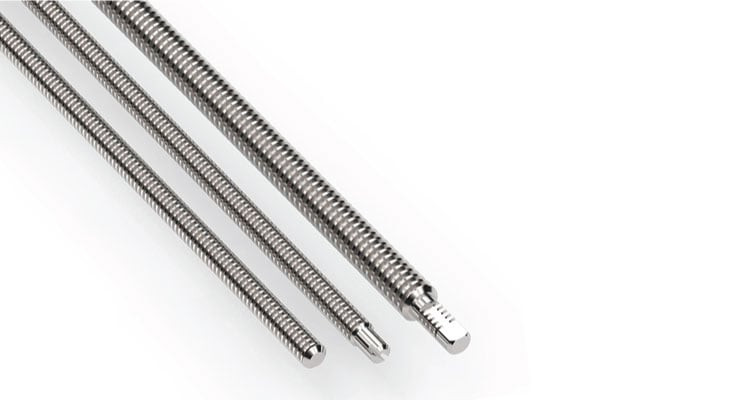
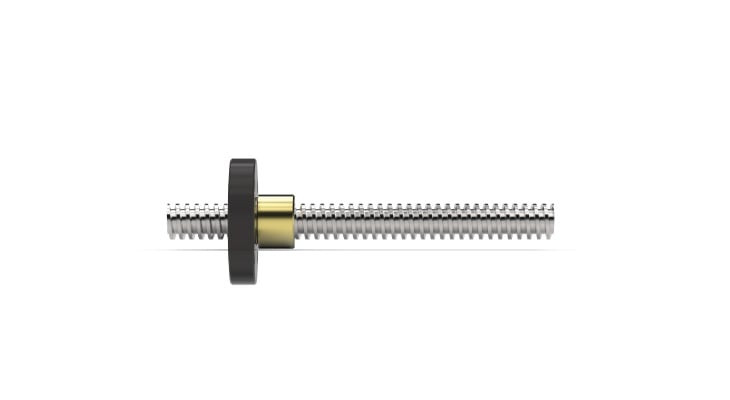
Does Your Lead Screw Need End Machining?
Linear motion applications utilizing a ball screw or a lead screw require high tolerance screw end machining matched with precision Ezze-Mount bearing mounts. Helix Linear Technologies has designed a
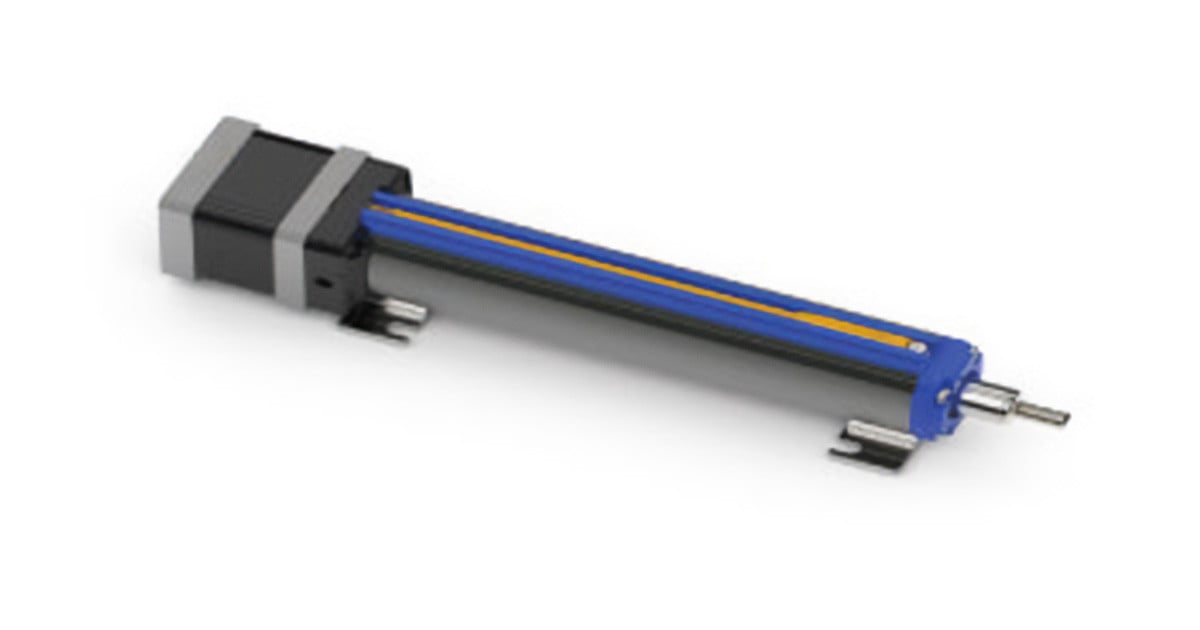
The Advantages and Four Most Common Uses of Electric Linear Actuators
Electric linear actuators convert rotary motion into linear motion by rotating a lead screw, ball screw or roller screw. Although several different forms of energy such as electrical, pneumatic, hyd
The question constantly being asked is, what's so essential about perfecting backlash design for acme screws? This acme screw backlash survival guide will answer that question and give you the informa
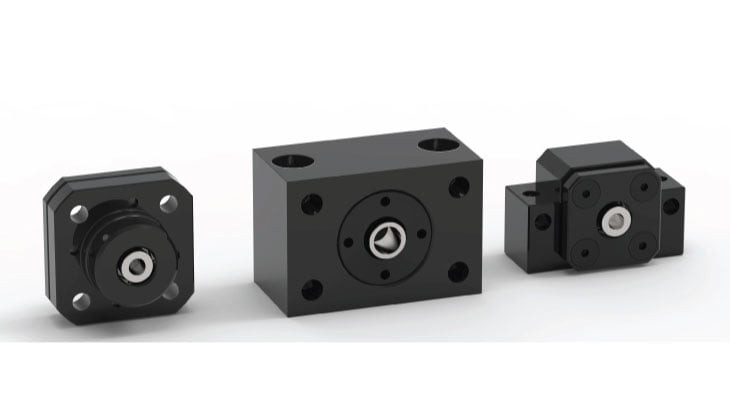
Bearing end supports for ball screws and lead screws are essential to the life and accuracy of our system. They ensure load carrying capabilities and long life. They should be sized adequately to han
How to Size a Linear Actuator for Your Application
When selecting the appropriate size linear actuator, applying one general number to make a selection, such as a maximum load rating, is difficult.
For instance, an application load of 25 lbs could be
A staple for controlling linear motion for more than a century, the acme screw (a lead screw with a trapezoidal thread form angle of 29º) continues to be the best option for driving many of today’s m
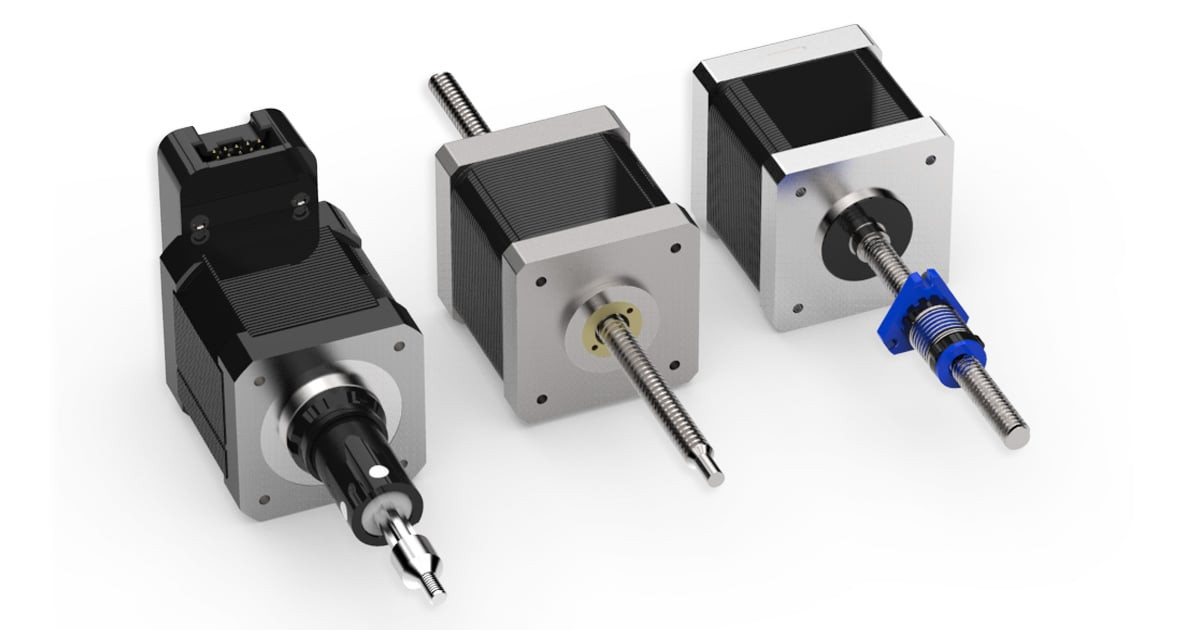
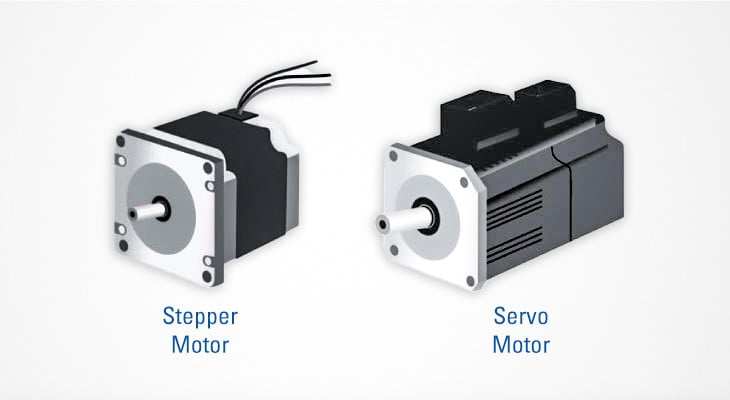
Advantages and Disadvantages of Stepper Motor Actuators
This lesson is a continuation of a series of lessons involved with learning about Stepper Motors and Servo Motors. If you haven’t already, please review our previous lesson on, What is a Stepper Motor
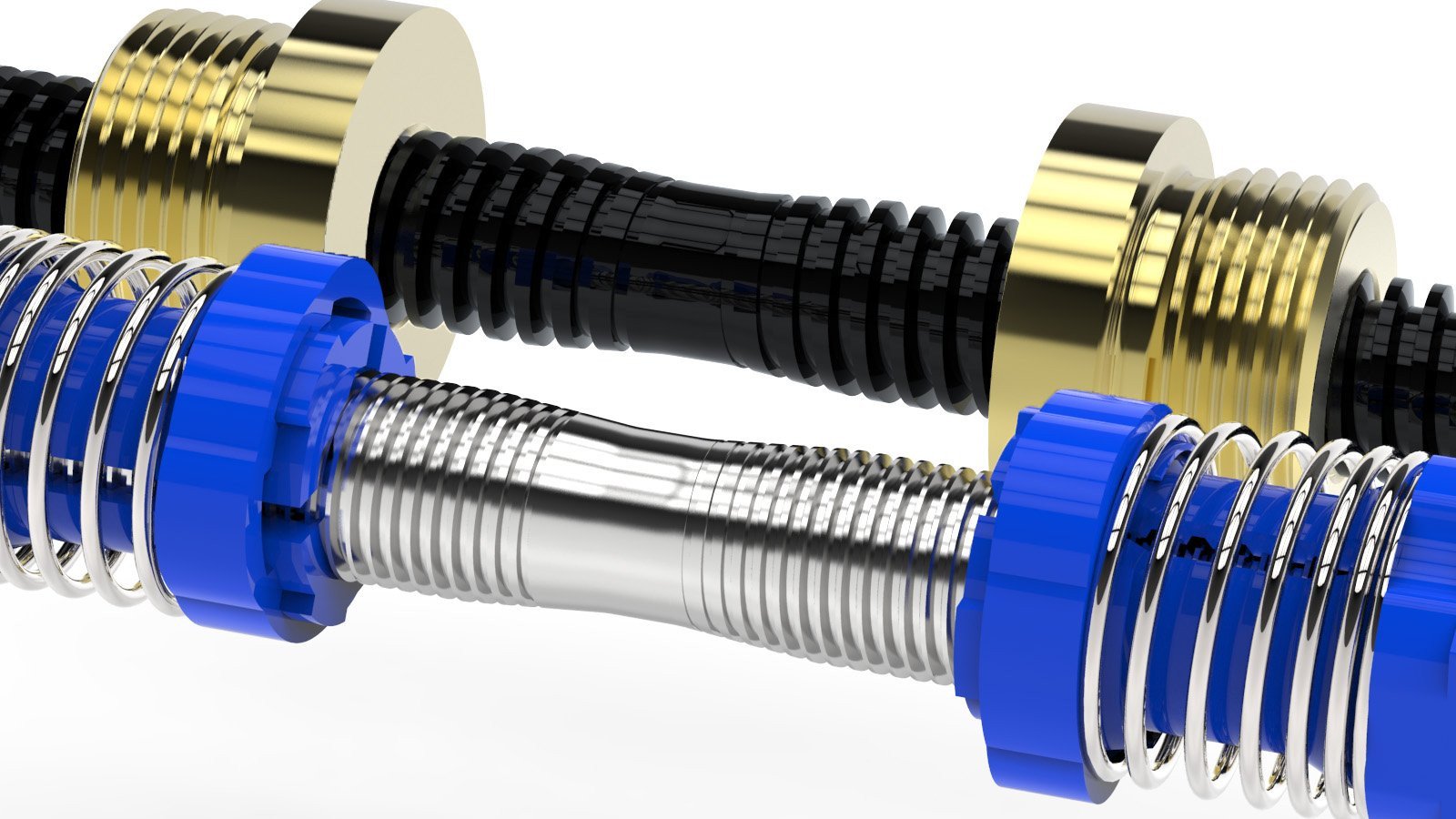
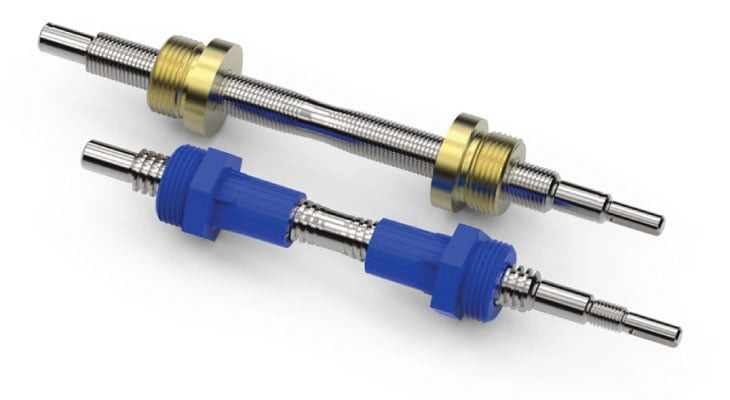
Twin lead screws from Helix Linear technologies offer dual opposing motion using a single drive system. That's right - simultaneous right and left movement from a centerline, but on a single drive sys
The Acme thread form, established over 100 years ago, replaced square thread screws. Square thread screws had straight-sided flanks and were challenging to manufacture, making the Acme thread form a g
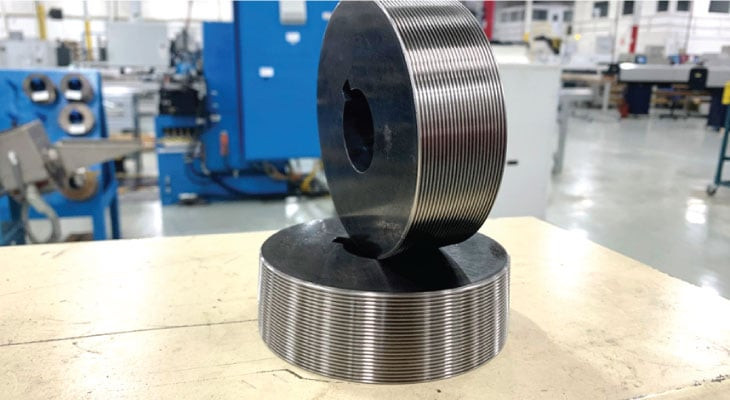
At Helix Linear Technologies, all of our thread-rolling dies are made right here in our facility located in Cleveland, Ohio. What does this mean for you? When you order a custom lead screw, this in-
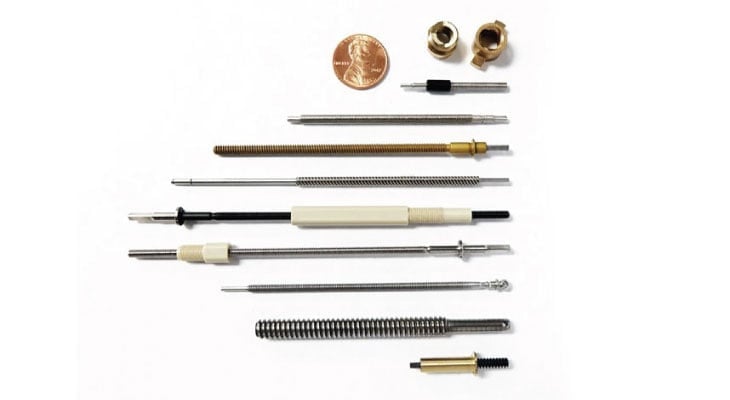
Helix Linear Technologies produces a full line of precision miniature lead screws for applications that demand micron-level positioning in tiny envelopes. These small designs enable our clients to b
Thread Types
The acme thread form, established over 100 years ago, replaced square thread screws with straight-sided flanks and was challenging to manufacture.
There are Three Main Classes of Acme T