
Find the Air in Your Ways - Go Electric
Getting some fresh air is always a good idea, right? It wakes you up, refreshes you, or even changes your mindset. But what happens when the air starts to get stale?Pneumatic actuators have been the
Read More
Engineering Insights & Motion Design Resources
Welcome to the Helix Linear Technologies Blog, your source for engineering insights, motion system design guidance, and industry trends in precision linear motion. Our blog is dedicated to helping mechanical engineers, product designers, automation professionals, and technical leaders stay informed, inspired, and empowered with practical knowledge you can apply to real-world projects.
Here, you’ll find:
Whether you’re refining a current design, planning a new machine concept, or keeping current with linear motion technology, the Helix Linear blog is designed to support your engineering journey. Every post is written with clarity, backed by technical expertise, and aligned with practical engineering needs to help you make better specification, design, and integration decisions.
Explore our latest content, bookmark your favorite posts, and leverage these resources to accelerate development cycles, improve mechanical performance, and stay ahead in motion system design.
Helix Linear Technologies is committed to providing valuable educational content that empowers engineers to build more precise, efficient, and innovative systems. Dive into our blog and start learning today.


Getting some fresh air is always a good idea, right? It wakes you up, refreshes you, or even changes your mindset. But what happens when the air starts to get stale?Pneumatic actuators have been the
Read More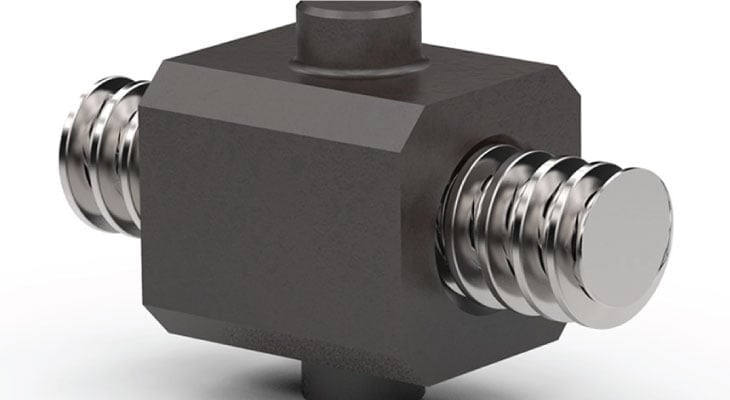
Acme Nut Customization After you have selected the right lead screw for your application, it becomes a matter of choosing the best nut to meet the demands of your particular application. Helix has
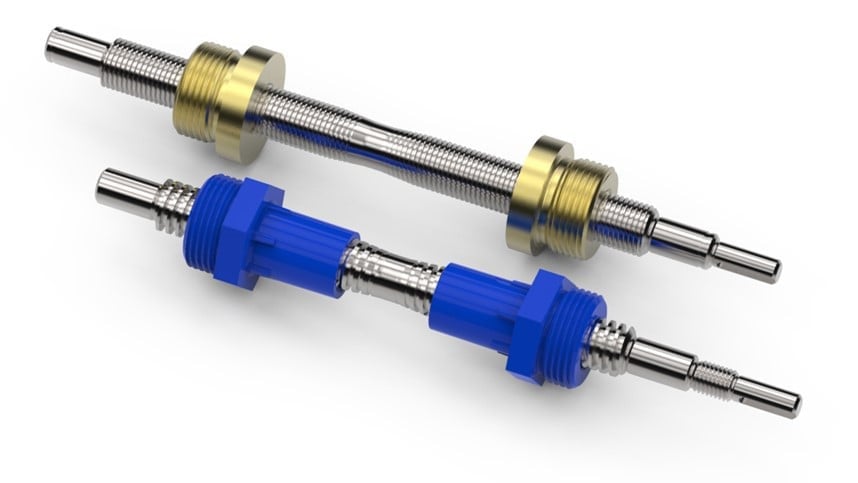
The Acme thread form, established over 100 years ago, replaced square thread screws. Square thread screws had straight-sided flanks and were difficult to manufacture, so that makes the Acme thread fo
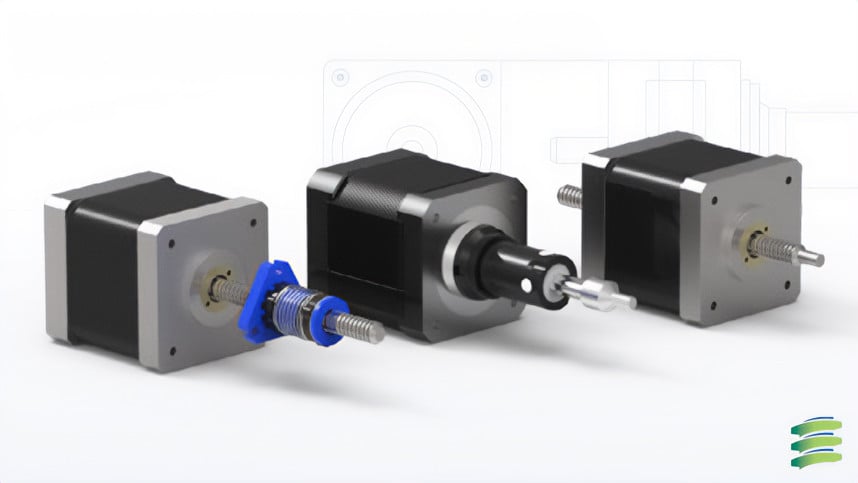
What is a Stepper Motor? A Comprehensive GuideStepper motors are a crucial component in the world of electronics, robotics, and industrial machinery. Known for their precise control, repeatabilit
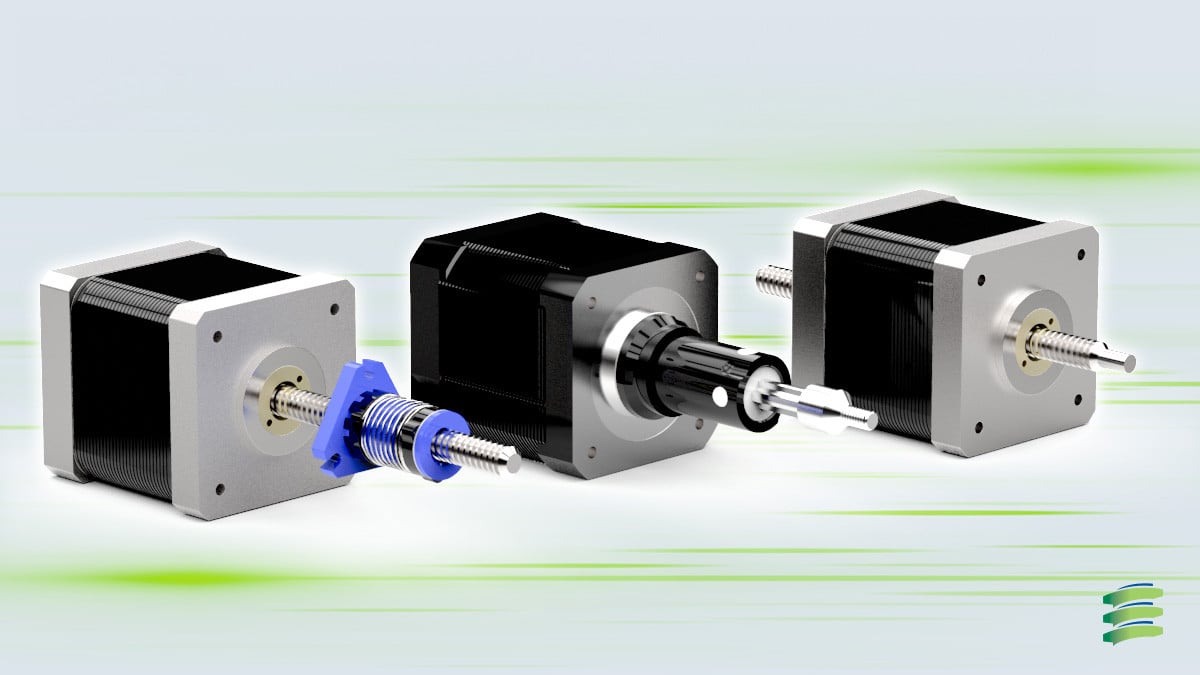
As a technical engineer, one of the critical challenges you may encounter is selecting the ideal stepper motor linear actuator for your application. The performance and success of your project depend

What is the JIS Standard for Ball Screws? The JIS standard is a set of specifications established by the Japanese Industrial Standards Committee, widely recognized for its comprehensive guidelines in
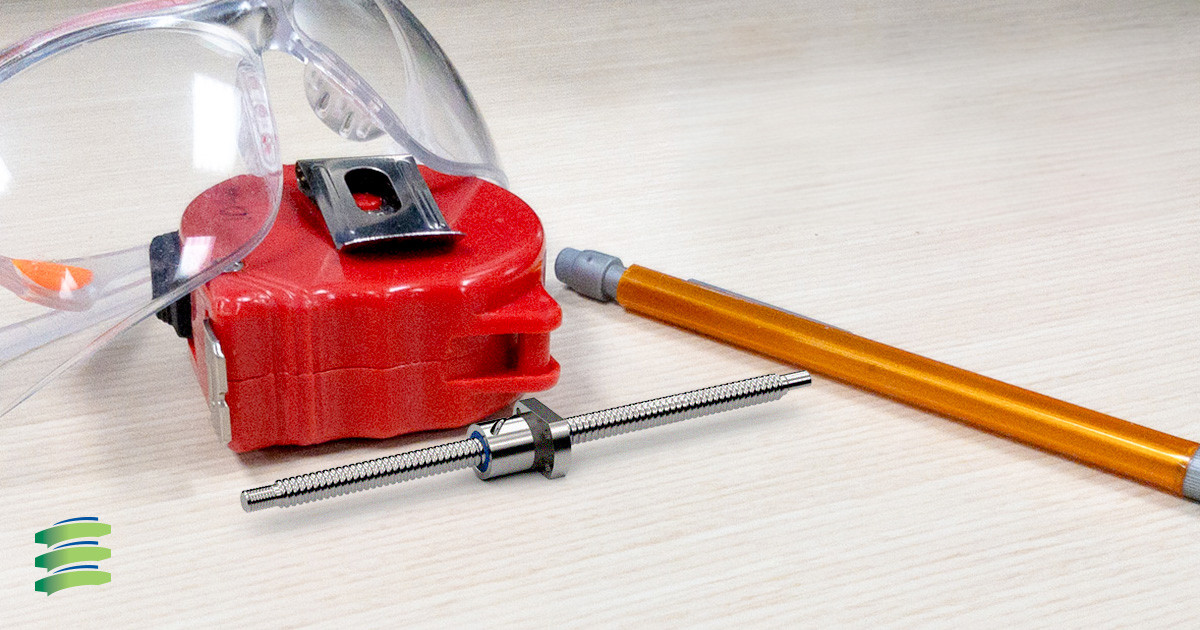
What are miniature ball screws? A miniature ball screw is a mechanical linear actuator that converts rotary motion into linear motion. It consists of a screw and a nut, where the screw is typically ma
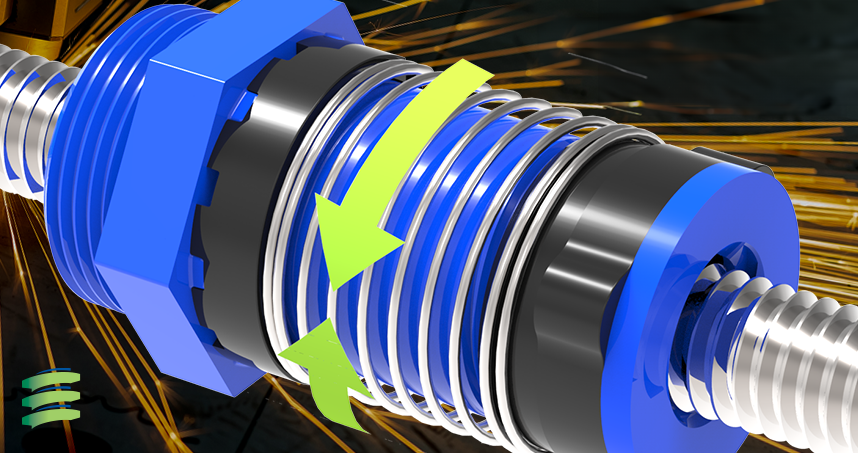
In the world of mechanical engineering, precision, and accuracy are paramount. Designing systems that eliminate unwanted motion, such as backlash, is crucial to ensure optimal performance and reliabil
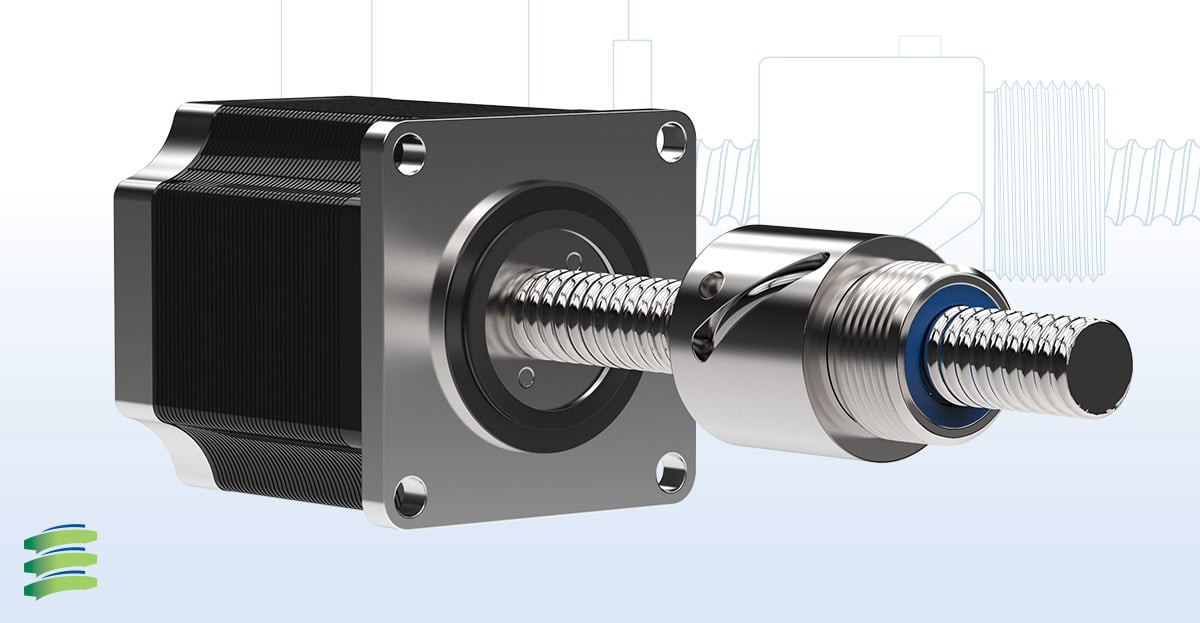
As mechanical engineers, we are constantly seeking innovative solutions to enhance precision and efficiency in various applications. One such remarkable invention that has revolutionized linear motion

Lead screw grease is a type of lubricant used to reduce friction and wear between the rotating lead screw and its mating nut, thus improving the performance and lifespan of the lead screw assembly. Th
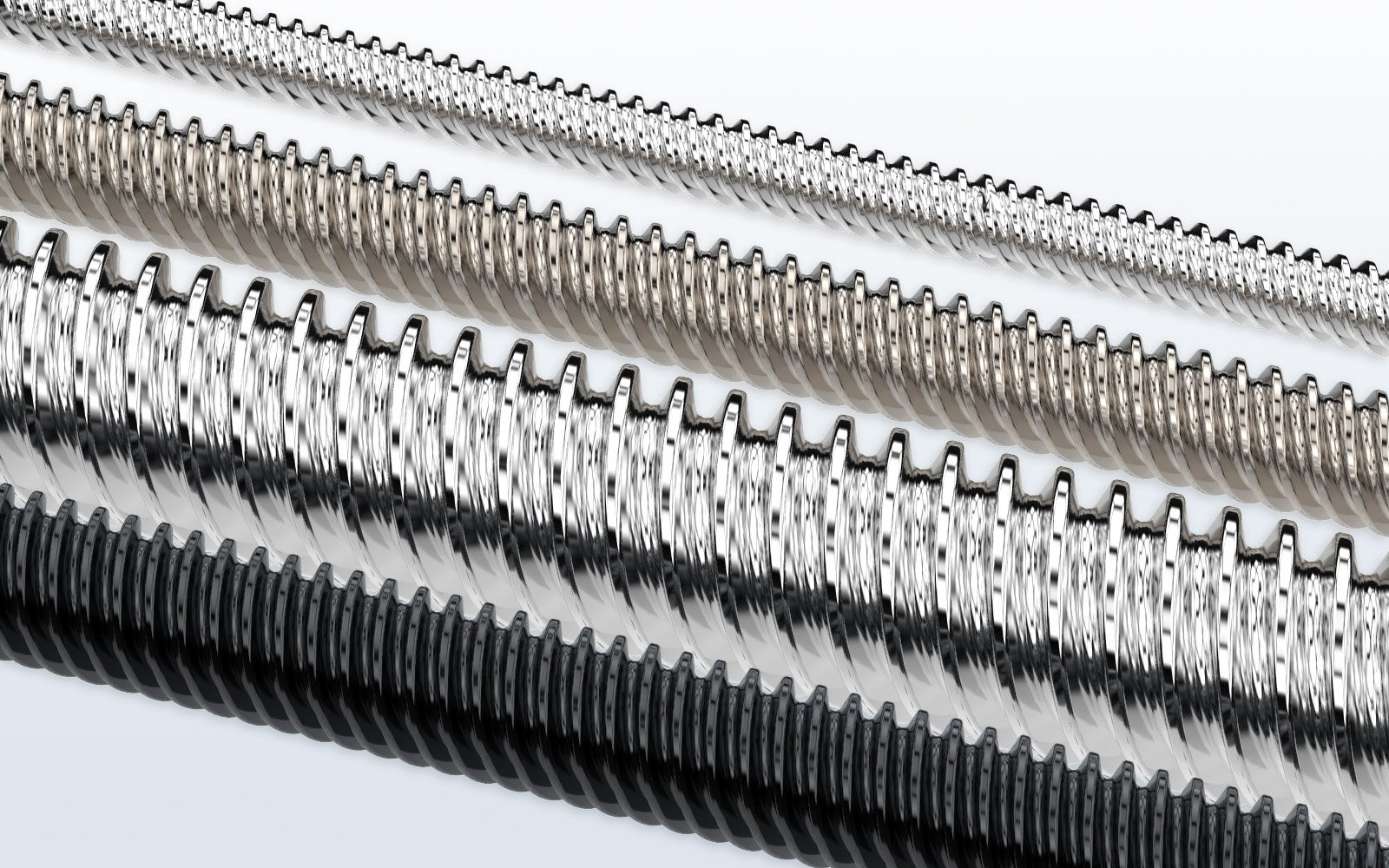
Lead screws play a vital role in mechanical systems, converting rotary motion into linear motion. They are commonly used in various applications, including industrial machinery, automation systems, an

In missile fin actuation systems, ball screws are used to translate rotary motion into linear motion. The ball screw consists of a screw shaft that rotates and a nut that moves along the shaft. The nu