
Roller Screws
High Load Capacity. Long Service Life. Precision Motion.
Roller screws convert rotary motion into linear motion using a series of threaded rollers positioned between a screw shaft and a nut, rather than the ball bearings found in traditional ball screws. This design distributes load across a much larger contact area, allowing roller screws to carry significantly higher loads, run at higher speeds, and operate reliably in demanding industrial environments where other linear motion technologies fall short.
Helix Linear Technologies supplies roller screw components engineered for high load, high duty cycle, and high precision applications. Whether you are designing a heavy industrial press, an aerospace actuator, or a high speed automation system, our roller screws deliver the load capacity and durability your system requires.
How Roller Screws Work
A roller screw assembly consists of a threaded screw shaft, a series of helical or ring-thread rollers, and a nut. As the screw rotates, the rollers engage the threads of both the screw and the nut simultaneously, rolling along their own axis while orbiting the screw shaft. This multi-point rolling contact, rather than the point contact used in ball screws, spreads the load across many more contact points at once.
The result is a linear motion component capable of higher load ratings, greater rigidity, and longer service life than a ball screw of comparable size, along with the ability to run at higher speeds without sacrificing accuracy.
Types of Roller Screws
Planetary Roller Screws Rollers are arranged in a planetary configuration around the screw shaft, similar to a planetary gear system. This design offers extremely high load capacity and long travel life, making it well suited to heavy-duty applications such as presses, jacks, and structural test equipment.
Recirculating Roller Screws Rollers recirculate through the nut in a closed loop, similar in principle to a recirculating ball screw. This configuration supports continuous, unlimited travel length and is often used in applications requiring long stroke lengths combined with high load capacity.
Inverted Roller Screws The nut rotates while the screw shaft translates linearly. This configuration is useful in applications with space constraints around the rotating element or where the linear member needs to remain stationary in rotation.
Types of Roller Screws

Standard Roller Screw (SRS)
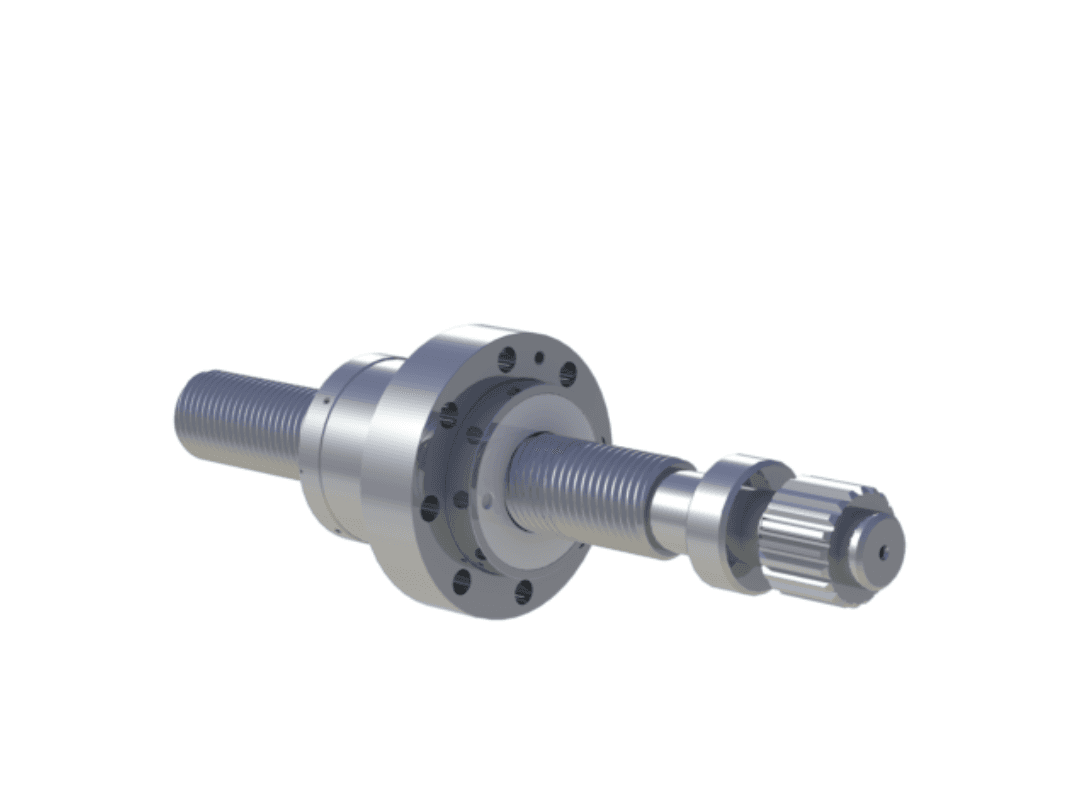
Ultra-High-Capacity Roller Screw (URS)
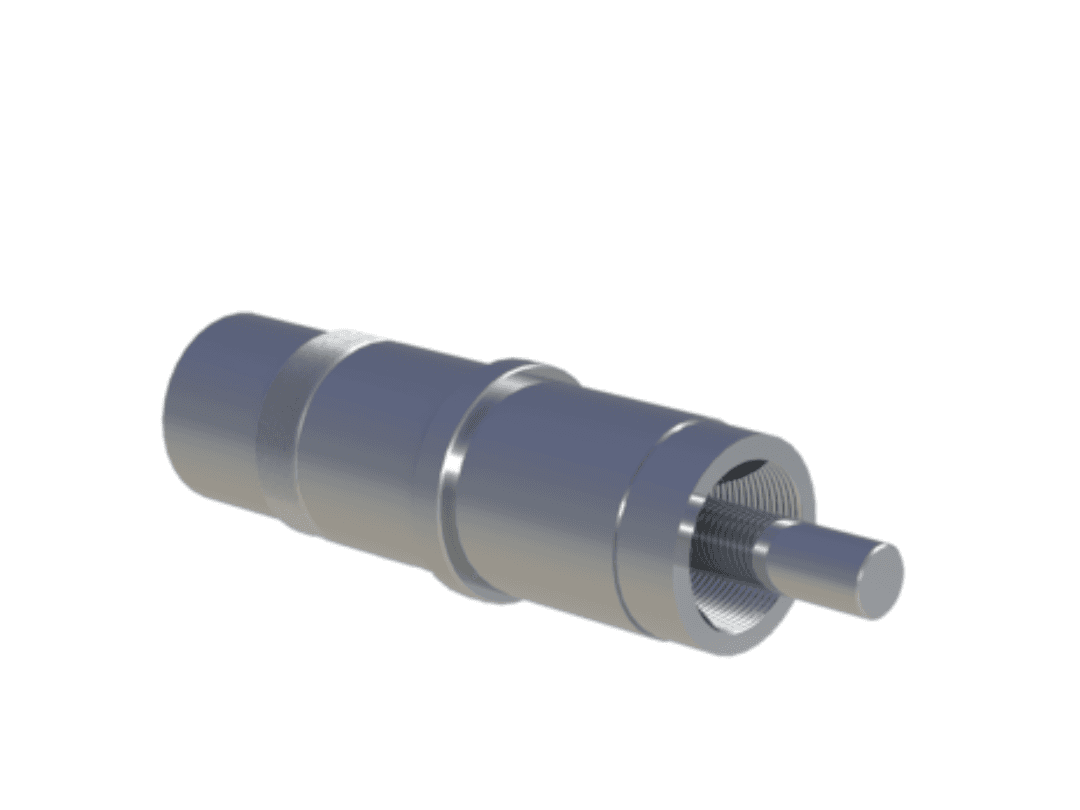
Inverted Roller Screw (IRS)
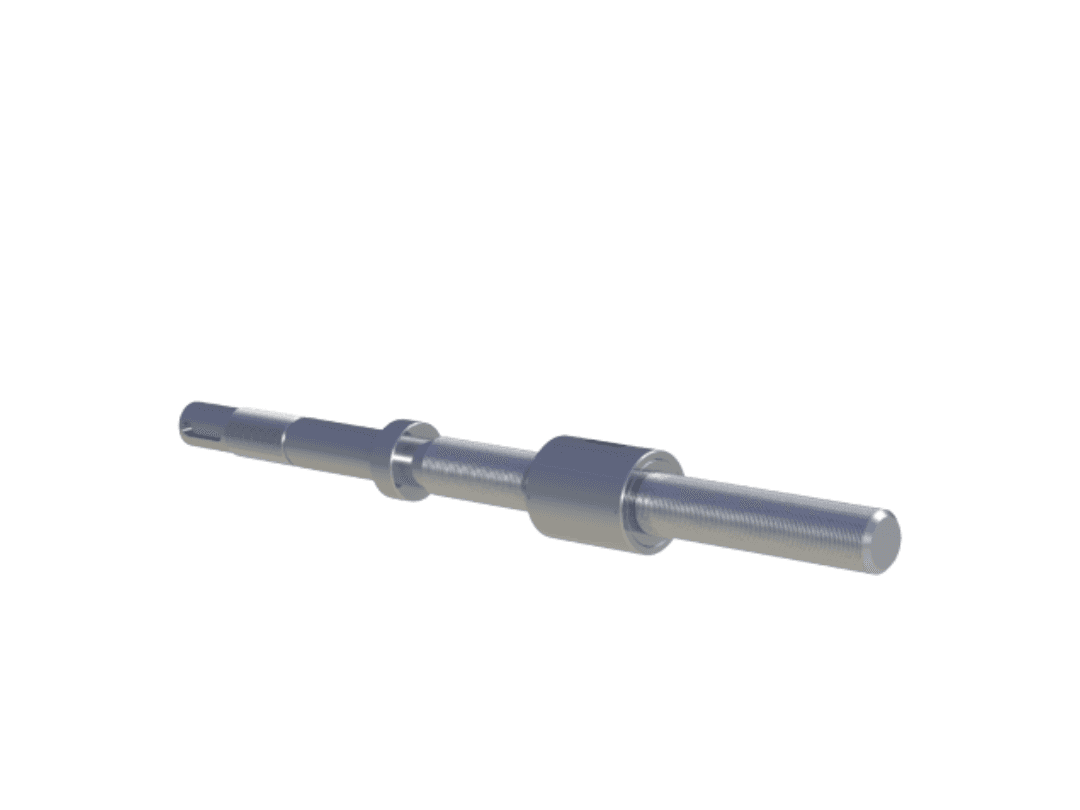
Recirculating Roller Screw (RRS)
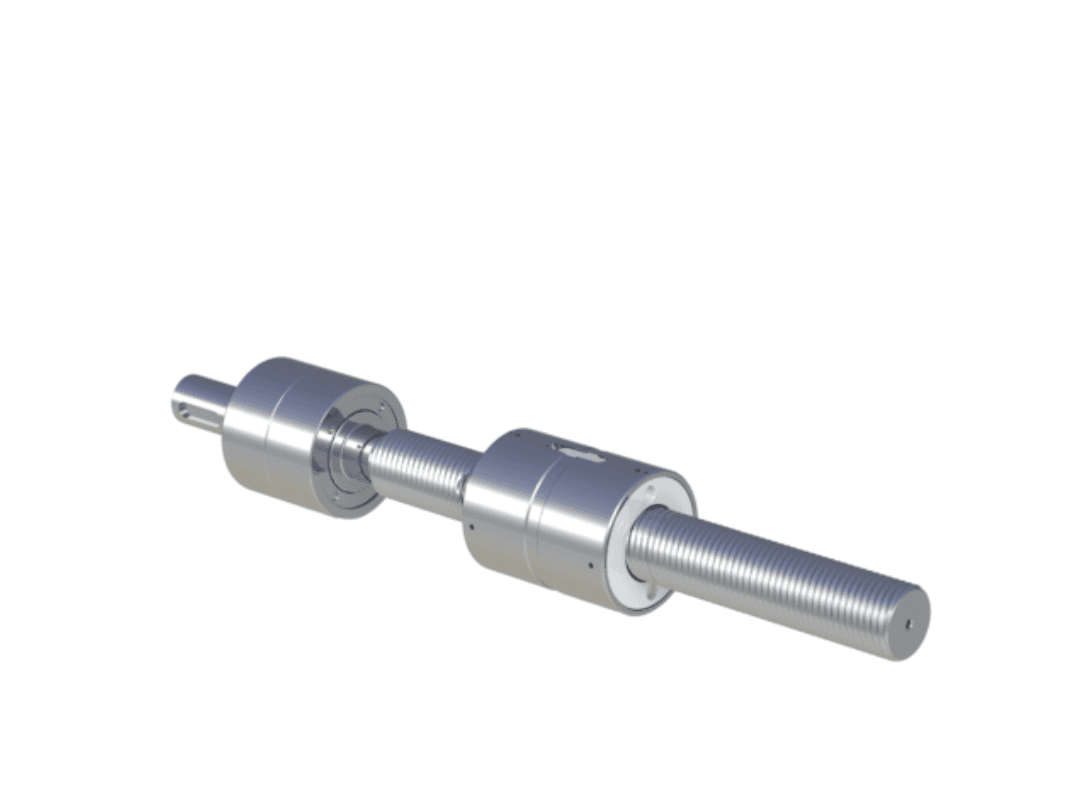
Standard Roller Screws with HRB (HRA-S)
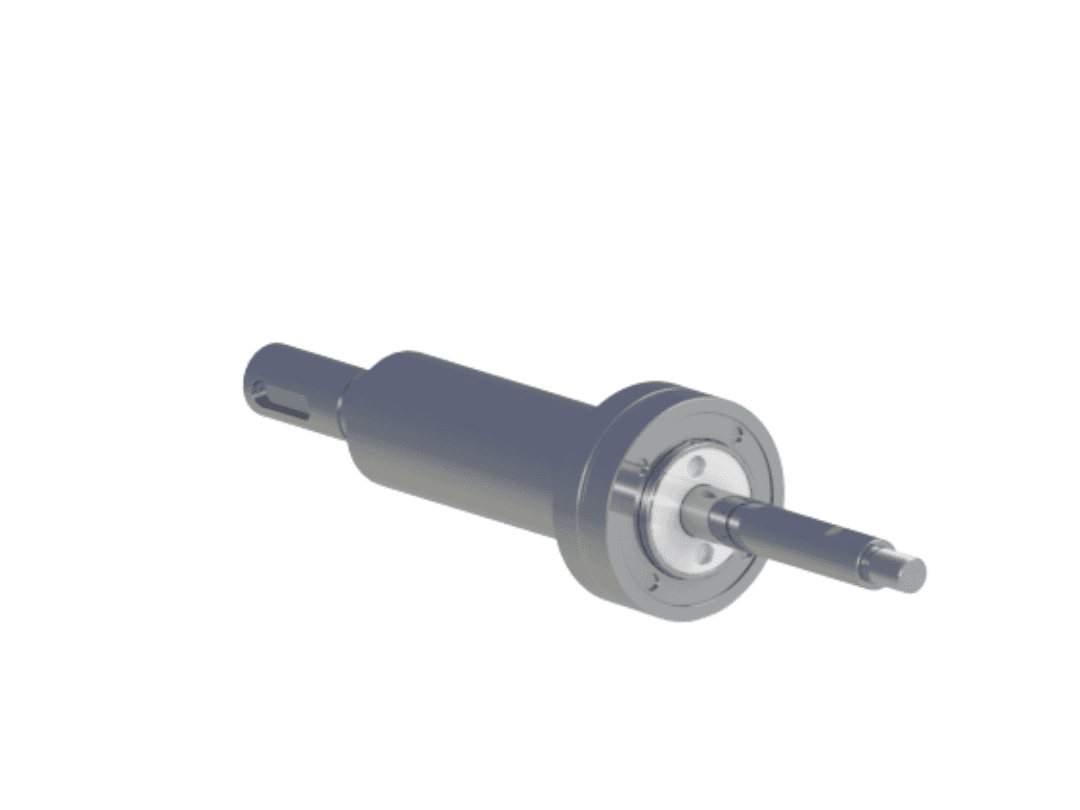
Inverted Roller Screw with HRB (HRA-I)
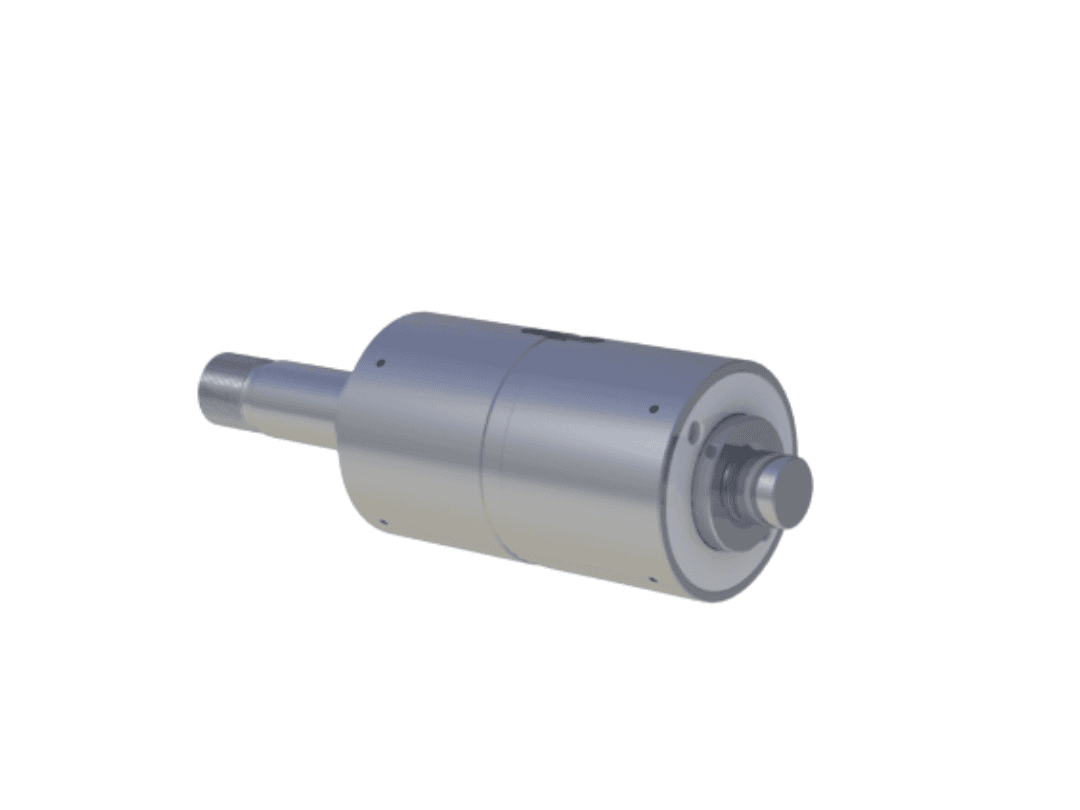
Differential Roller Screw (DRS)
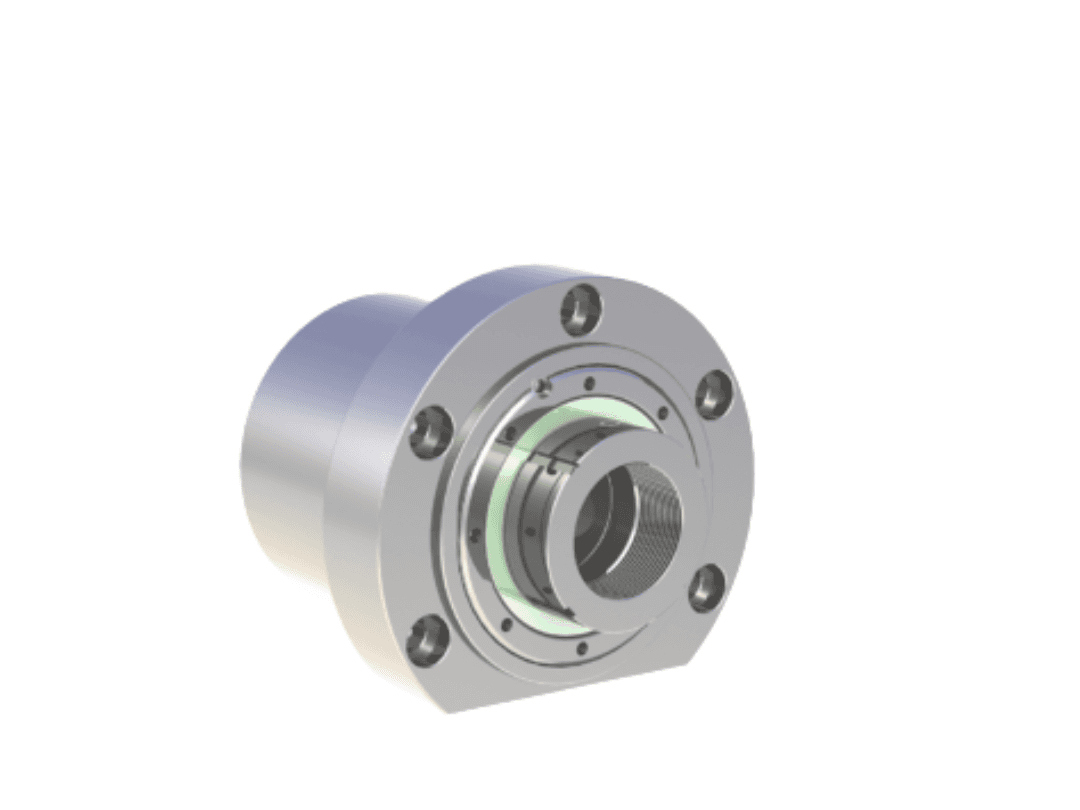
Support Bearing Unit with HRB (HHF)
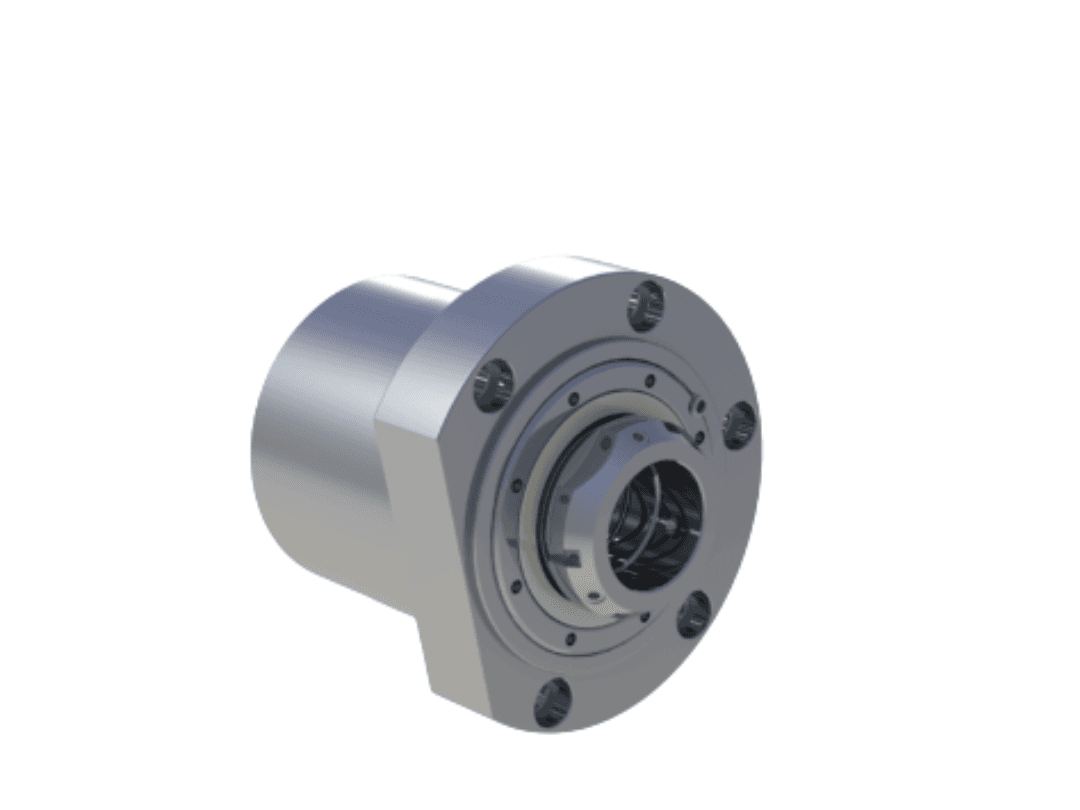
Support Bearing Unit with ACCBs (SBU)
Why Choose Roller Screws Instead of Ball Screws
- Higher Load Capacity. The multi-point rolling contact of a roller screw supports substantially higher dynamic and static load ratings than a ball screw of the same diameter.
- Longer Service Life. Load distributed across more contact points means less stress per contact point, extending component life under continuous or heavy-duty operation.
- Higher Speed Capability. Roller screws can operate at higher linear speeds and rotational speeds than comparably sized ball screws, without the acceleration limits imposed by recirculating ball systems.
- Greater Rigidity. The increased contact area reduces axial deflection under load, supporting tighter positioning accuracy in high-force applications.
- Shock and Vibration Tolerance. Roller screws are well suited to applications with variable or shock loading, where ball screws may be prone to brinelling or premature wear.
With Helix Linear Technologies, you’re not just choosing a component. You’re gaining a motion partner. Our application engineers collaborate with you to select or design the ideal nut for your system, ensuring precision alignment, long service life, and unmatched performance.
Applications
Roller screws are specified in applications where load, duty cycle, or precision requirements exceed what standard ball screws or lead screws can reliably support, including:
- Industrial presses and forming equipment
- Aerospace and defense actuation systems
- Test and simulation equipment
- Medical and surgical robotics
- Heavy-duty automation and material handling
- Injection molding and plastics processing
- Semiconductor and precision manufacturing equipment
Engineered for Your System

Not sure which Roller Screw to use?


