
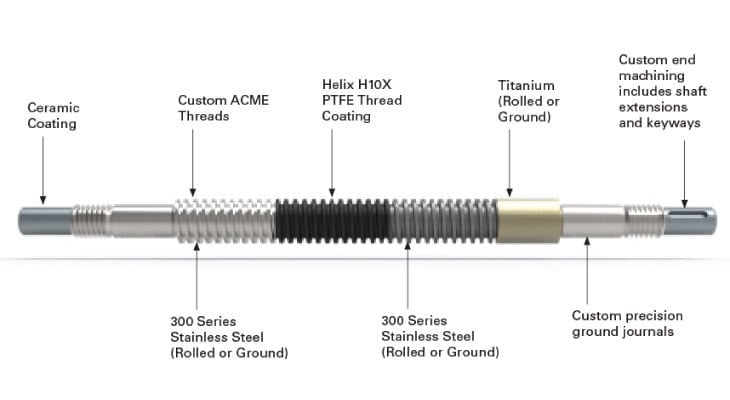
Customize Your Next Lead Screw Design
Helix Linear Technologies designs and manufactures custom lead screws and Acme screws in various materials, including stainless steel, alloy, titanium, and aluminum. We manufacture these precision pro
Read More
Engineering Insights & Motion Design Resources
Welcome to the Helix Linear Technologies Blog, your source for engineering insights, motion system design guidance, and industry trends in precision linear motion. Our blog is dedicated to helping mechanical engineers, product designers, automation professionals, and technical leaders stay informed, inspired, and empowered with practical knowledge you can apply to real-world projects.
Here, you’ll find:
Whether you’re refining a current design, planning a new machine concept, or keeping current with linear motion technology, the Helix Linear blog is designed to support your engineering journey. Every post is written with clarity, backed by technical expertise, and aligned with practical engineering needs to help you make better specification, design, and integration decisions.
Explore our latest content, bookmark your favorite posts, and leverage these resources to accelerate development cycles, improve mechanical performance, and stay ahead in motion system design.
Helix Linear Technologies is committed to providing valuable educational content that empowers engineers to build more precise, efficient, and innovative systems. Dive into our blog and start learning today.

Helix Linear Technologies designs and manufactures custom lead screws and Acme screws in various materials, including stainless steel, alloy, titanium, and aluminum. We manufacture these precision pro
Read More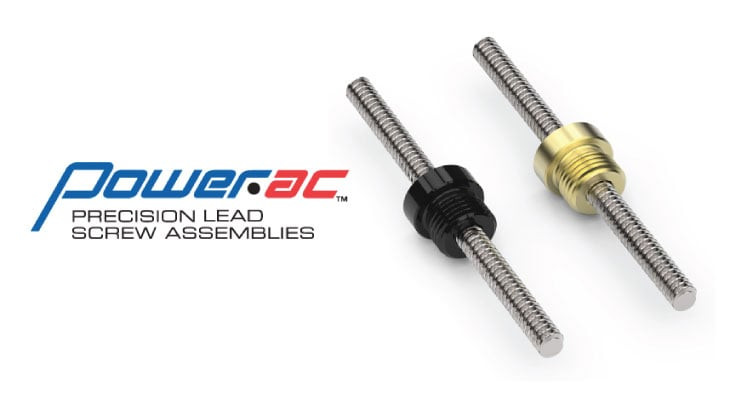
Helix Linear Technologies is currently celebrating its fourth year manufacturing the small diameter Power AC Acme Screw product line (lead screws under 5/8" in diameter). Power AC Precision Acme Lead
Read More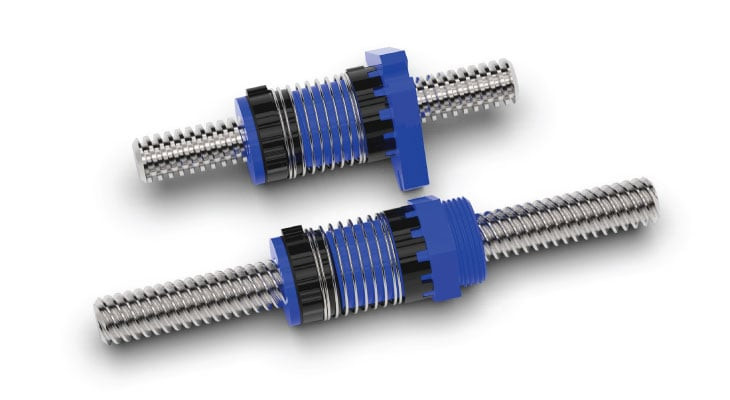
The Answer: Lead Accuracy Lead accuracy is the difference between the actual distances traveled versus the theoretical distance traveled based on lead. Obviously, the better the lead accuracy, the b
Read More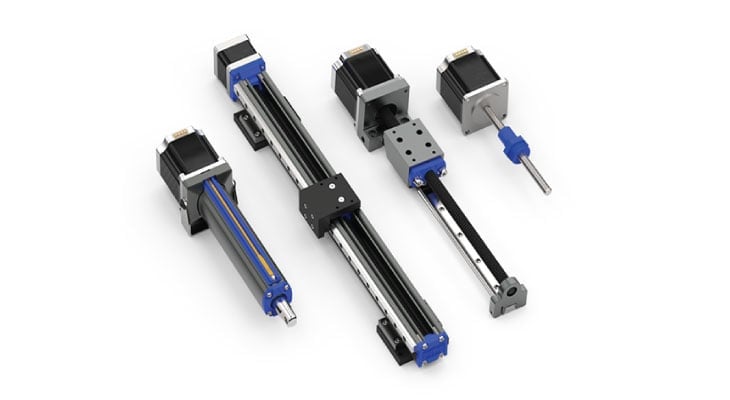
In short, a linear actuator is a device that creates linear (straight) motion. From highly complex applications to the most straightforward button pressing applications, small linear actuators are use
Read More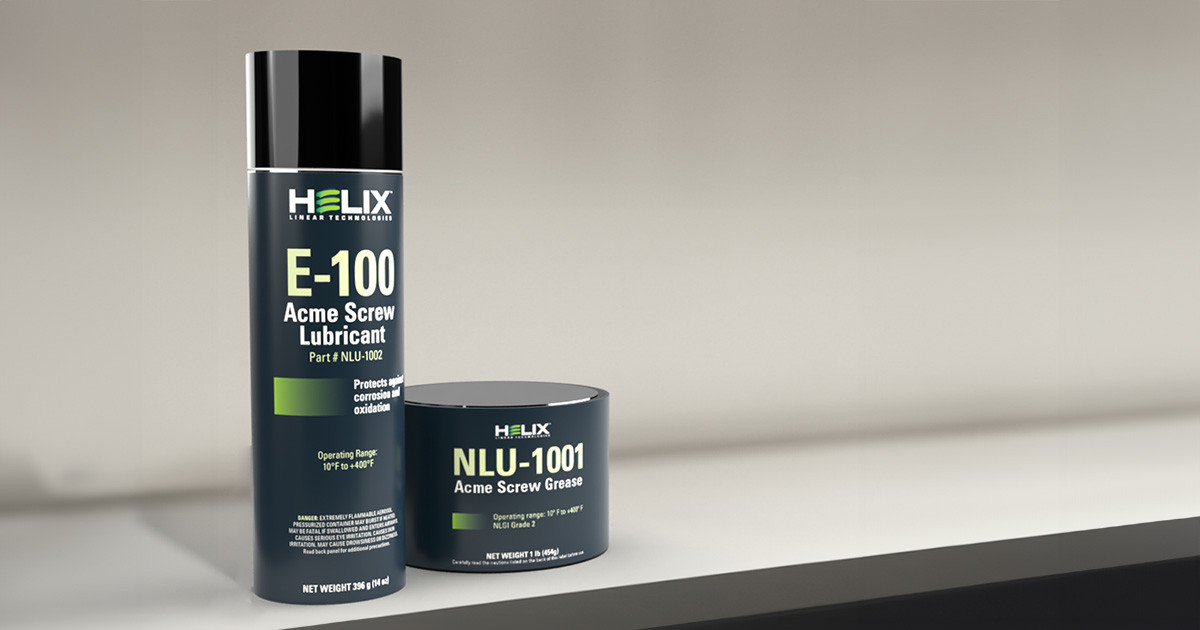
Proper lubrication is the key to the continued performance and reliability of lead screw assemblies. Prolong acme screw assembly reliability and life The coefficient of friction, wear life, and result
Read More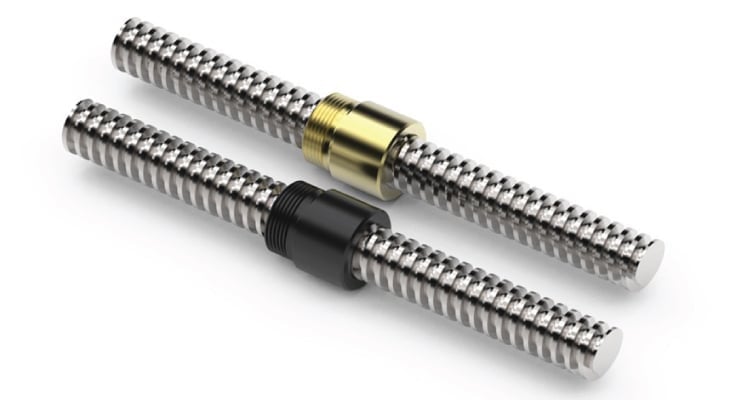
Motion and Position Control Acme screws are a mainstay for supplying motion and positioning control in many types of machinery, including CNC milling machines, lathes, syringe pumps, linear actuators,
Read More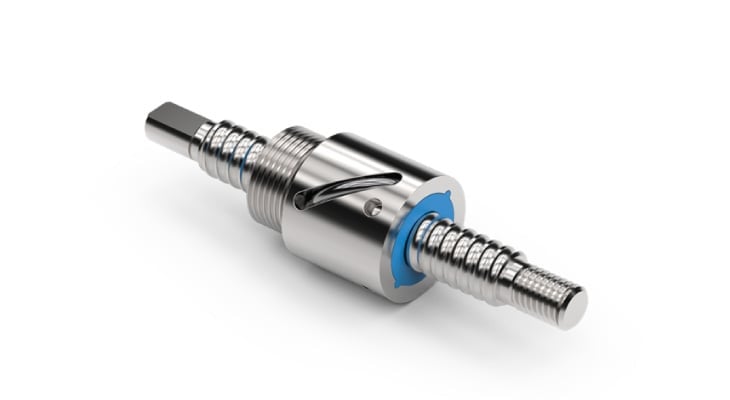
Motion-driven automation environments Today’s emotion-driven automation environments demand effective linear motion control systems, such as lead screws and ball screws. Although lead screws are often
Read More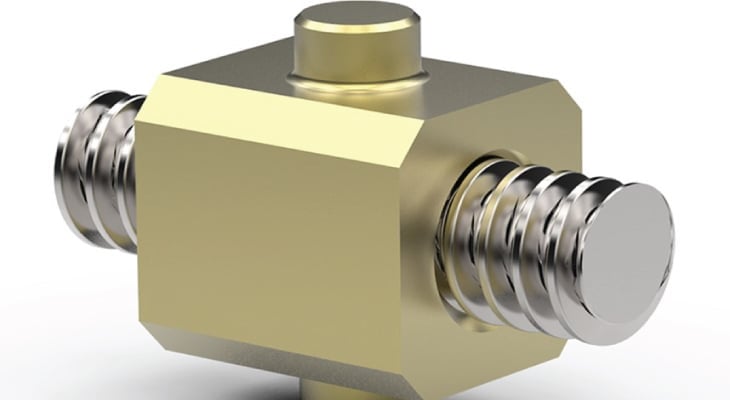
High-end, motion control lead screw applications only perform as anticipated when the screw is matched with the proper acme nut—whether the acme nut is available as a standard component or produced
Read More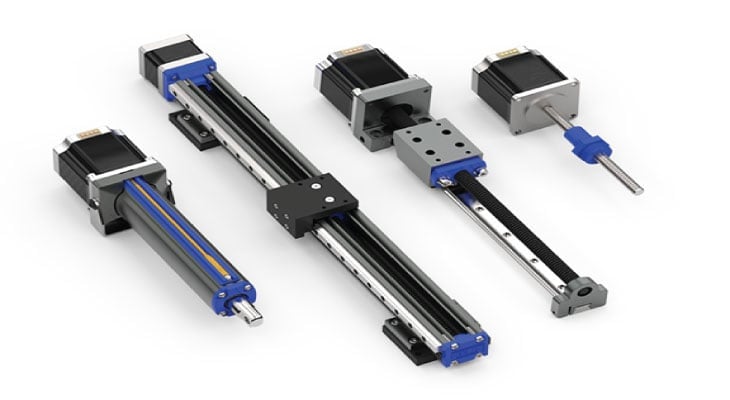
Most design engineers know that a mechanical linear actuator is a device that converts rotary motion into linear movement—such as lead screws, ball screws, and acme screws. But do you know how fast a
Read More
Acme lead screws small size doubles duty Helix has recently introduced its precision miniature lead screw designs for light load medical device design and applications that deliver fast speed and cl
Read More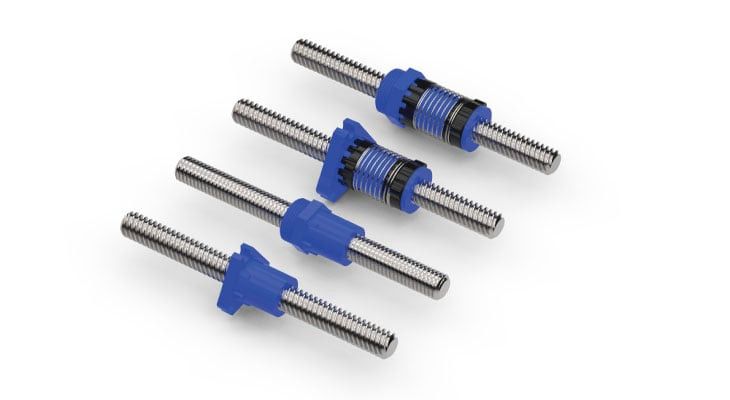
Acme screws provide distinct advantages for many of today’s linear motion applications, such as the motion control systems incorporated in many lead screw medical devices. In addition to offering rel
Read More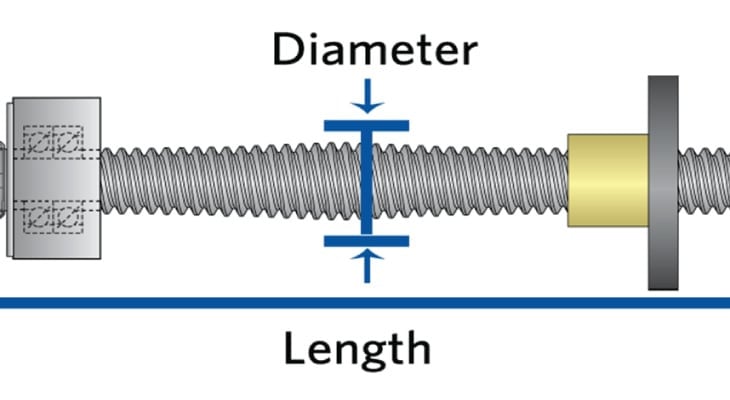
Selecting the right motion control system can often mean the difference between success and failure. To optimize performance, reliability, maintenance requirements, and service life, design engineers
Read More